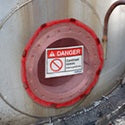
Confined spaces are present in many sectors and pose a significant risk to the employees who work in them. In these spaces, the risks of an oxygen-deficient, toxic, or explosive atmosphere are very real, in addition to other serious hazards such as falls from height or drowning. These risks can cause serious or fatal accidents.
Training on confined spaces is therefore essential to prevent these accidents and ensure the safety of workers involved. It helps them understand the risks associated with these spaces, identify the prevention and protection measures to be implemented, and define safe response procedures. This training is therefore a key element in managing occupational risks and helps strengthen the culture of workplace safety.
Training objectives
Understand the specific hazards associated with confined spaces, such as the risks of asphyxiation, poisoning, fire or explosion, and dangerous atmospheric conditions.
Learn how to safely plan and organize work in confined spaces, including risk assessment and the implementation of prevention and emergency response measures.
Learn how to properly select, use, and maintain the personal protective equipment (PPE) required to work safely in confined spaces.
Improve communication and coordination among teams working in and around confined spaces to ensure effective risk management and emergency response.
Who this training is for
Employees at all levels working in environments where confined-space hazards may be present
Managers and supervisors responsible for managing operations in confined spaces
Health and safety professionals responsible for preventing risks associated with confined spaces
Emergency response and rescue teams in the event of an incident in a confined space
Training process
Duration: 1 day
Introduction to confined spaces
Characteristics and hazards of confined spaces
Risk identification and assessment
Operational proficiency: before, during, and after entry
Roles and responsibilities in confined spaces
Case study: Reflection on operational deployment
Performance indicators and emergency situation management
Teaching methods
Interactive presentations
Practical case studies
Benchmarking
Discussions and experience sharing
Quizzes and assessments
Benefits
What this training provides your organization
Reducing the risk of accidents and serious incidents related to confined spaces
Improving the safety and health of employees working in confined environments
Compliance with regulations and safety standards specific to confined spaces
Strengthening the company’s safety culture for better risk management
Protecting equipment and facilities against potential damage associated with work in confined spaces