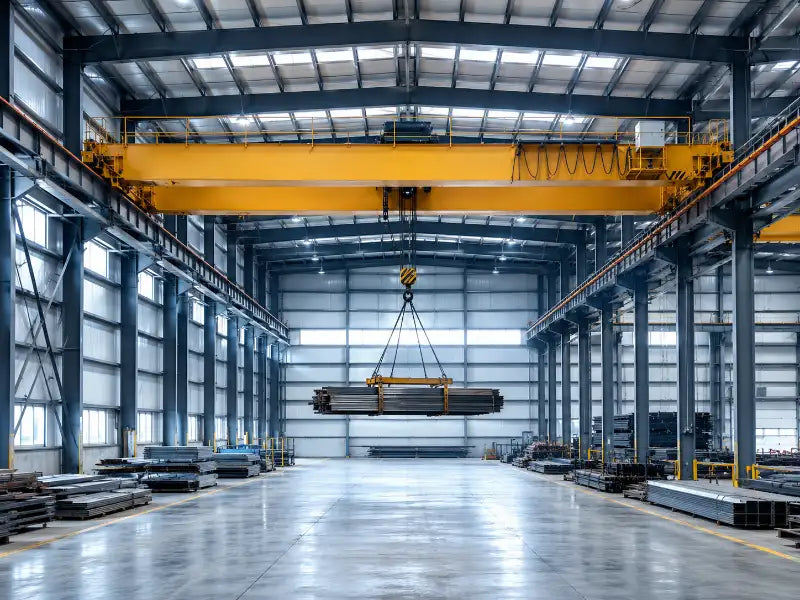
Overhead cranes are widely used in industry, logistics, and construction for lifting heavy loads. Improper use exposes teams to risks of falling loads, crushing, or accidents caused by inadequate equipment inspections, which can lead to production stoppages and serious injuries.
This CACES overhead crane training, compliant with recommendation R484, combines theoretical and practical modules: overhead crane operator authorization, slinging and lifting, signaling gestures, pre-use inspection, and renewal procedures. It enables operators, crane slingers, and material-handling safety managers to master regulatory requirements and ensure the safe operation of a ground-controlled overhead crane.
Training objectives
Identify the legal requirements and authorization criteria for operating overhead cranes
Understand the mechanical operation and safety devices of overhead cranes
Carry out pre-operational checks and daily inspections of equipment
Establish emergency shutdown and response procedures in the event of a failure
Apply best operating practices to prevent collision and falling-load risks
Who this training is for
Overhead crane operators and lifting equipment drivers
Industrial site supervisors and maintenance workshop managers
HSE managers and safety coordinators
In-house CACES trainers and training providers
Training delivery
Duration: 1 day
Introduction
Legal requirements and authorization criteria
Mechanical operation and safety devices
Pre-operational checks and daily inspections
Emergency shutdown and response procedures
Best operating practices and collision prevention
Roles and responsibilities
Case study: Operational deployment
Performance indicators
Teaching methods
Interactive presentations
Practical case studies
Benchmarking
Discussions and experience sharing
Quizzes and assessments
Benefits
What this training provides your organization
Reduced risk of accidents involving collisions and falling loads when operating overhead cranes
Improved employee safety and health through mastery of emergency shutdown procedures and pre-operational checks
Compliance with legal requirements and safety standards specific to lifting equipment
Strengthened safety culture by empowering operators and supervisors to manage authorizations
Improved operational efficiency through optimized operating practices and reduced unplanned downtime