1
/
of
2
Risk Perception (BBS)
In many industries, accidents are often the result of unobserved acts or omissions linked to teams’ habitual behaviors. Risk perception, at the heart of behaviour-based safety (BBS), makes it possible to identify these practices before they lead to incidents.
This training provides managers and frontline personnel with the tools to analyze behaviors, implement structured observations, and develop a proactive safety culture, thereby promoting continuous improvement in HSE performance.
Training objectives
- Identify at-risk behaviors observed in the field according to the BBS methodology
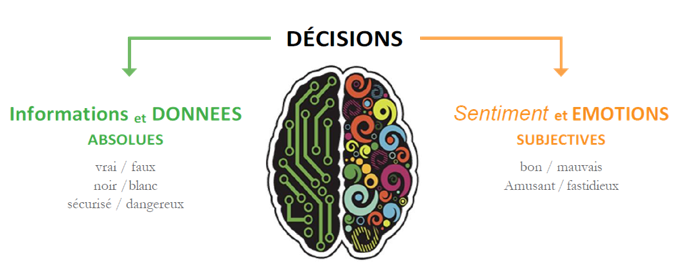
- Understand how behaviors influence risk perception and safety culture
- Learn to conduct BBS observations and provide constructive feedback to reinforce safe practices
- Establish a continuous improvement action plan based on BBS observation data
Who this training is for
- Team leaders and operations supervisors
- HSE and safety managers
- Prevention officers and safety coordinators
- Operations managers
- Members of the safety steering committee
Training process
Duration: 1 day
- Introduction
- Definitions and principles of Behaviour Based Safety (BBS)

- Identifying at-risk behaviors and risk perception
- Operational mastery: conducting BBS observations (preparation, observation, feedback)
- Roles and responsibilities in the BBS process
- Case study: implementing a BBS program and analyzing feedback
- BBS performance indicators and continuous improvement
Teaching methods
- Interactive presentations
- Practical case studies
- Benchmarking
- Discussions and experience sharing
- Quizzes and assessments
Benefits
What this training provides for your organization
- Strengthening managers’ ability to identify and correct at-risk behaviors, thereby limiting operational incidents
- Implementation of a structured observation and feedback process that fosters team engagement and a proactive safety culture
- Optimization of safety performance indicators, enabling better control of costs associated with accidents and absences from work
- Compliance with regulatory requirements and international standards relating to Behaviour Based Safety (BBS)
- Improved productivity through reduced production interruptions related to incidents and sick leave
Partager